Regular dental hygienist appointments are an important part of keeping your teeth and gums healthy. Even if you brush twice a day and clean between your teeth, plaque and tartar can still build up in areas that are difficult to reach. Over time, this can contribute to gum inflammation, bad breath and gum disease.
Many people visit a dental hygienist every six months, but this isn’t necessarily the right frequency for everyone. Some patients benefit from more frequent appointments, particularly if they have gum disease or are more prone to plaque and tartar build up. Others with healthy gums and good oral hygiene may not need to attend as often.
Understanding how frequently you should visit a dental hygienist and what happens during an appointment can help you maintain your oral health and prevent problems from developing.
For many patients, visiting a dental hygienist every six months is a common starting point. However, the ideal frequency depends on your individual oral health, how effectively you can keep your teeth clean at home and whether you have any existing dental problems.
If your teeth and gums are generally healthy, your dentist or hygienist may recommend appointments every six to twelve months. If you have gum disease, experience frequent tartar build up or have other risk factors, you may benefit from appointments every three to four months.
Patients receiving treatment for gum disease may initially need more frequent visits to help manage their condition and monitor how their gums respond to treatment.
There isn’t a single appointment schedule that works for everyone. Your dental hygienist will assess your gum health and recommend how often you should attend based on your individual needs.
Several factors can influence how frequently you should visit a dental hygienist. While some patients can maintain healthy teeth and gums with less frequent professional cleaning, others may require additional support.
If you have gingivitis or periodontitis, regular dental hygiene appointments can play an important role in managing your gum health.
Gingivitis is the early stage of gum disease and can cause redness, swelling and bleeding when brushing. If left untreated, gum inflammation can sometimes progress to periodontitis, which affects the tissues and bone supporting your teeth.
Patients with periodontitis may need more frequent professional cleaning and ongoing periodontal maintenance to help control bacterial deposits and monitor their gum health.
Some people naturally develop tartar more quickly than others, even when they brush and floss regularly.
Plaque is a soft bacterial film that forms on your teeth throughout the day. If it isn’t removed effectively, it can harden into tartar, also known as calculus, which cannot be removed through normal brushing.
If you regularly notice tartar around your gumline or behind your lower front teeth, your hygienist may recommend more frequent appointments to help manage the build up.
Smoking increases the risk of gum disease and can affect how well your gums respond to treatment. It can also contribute to staining and changes in your oral health.
People who smoke may benefit from more frequent dental hygiene appointments to monitor their gum health and remove plaque and tartar deposits.
Smoking can also reduce visible gum bleeding, meaning gum disease may develop without some of the warning signs people commonly associate with it.
People with diabetes can be at greater risk of developing gum disease, particularly when blood glucose levels are not well controlled.
Gum inflammation and periodontal disease can also make diabetes more difficult to manage, making good oral hygiene particularly important.
If you have diabetes, your dentist or hygienist may recommend more regular appointments depending on your gum health and individual risk factors.
Wearing fixed braces can make cleaning around your teeth more challenging. Food particles and plaque can accumulate around brackets and wires, increasing the risk of gum inflammation and tooth decay if they are not removed effectively.
Patients undergoing orthodontic treatment may benefit from additional hygiene appointments and advice on cleaning around their appliances.
Clear aligners are removable, making brushing and cleaning between your teeth easier, but maintaining good oral hygiene remains important throughout treatment.
If you have dental implants, crowns or bridges, maintaining healthy gums and cleaning around your restorations is particularly important.
Plaque can accumulate around these areas, and inflammation around dental implants can lead to complications if it is not identified and managed.
Your dental hygienist can help you understand how to clean around your restorations and recommend an appropriate appointment schedule.
Hormonal changes during pregnancy can make gums more sensitive to plaque, sometimes causing swelling or bleeding.
Maintaining good oral hygiene and attending appropriate dental appointments during pregnancy can help manage these changes.
If you notice persistent bleeding or inflammation, speak to your dentist or hygienist rather than waiting until your next routine appointment.
You don’t always need to wait until your next scheduled appointment if you notice changes in your teeth or gums.
Some common signs that you may benefit from a dental hygiene assessment include:
These symptoms do not always mean that you simply need a professional clean. Persistent bleeding, gum recession, loose teeth or other concerning changes should be assessed by a dental professional to determine whether further treatment is necessary.
Dental hygiene appointments do more than leave your teeth feeling cleaner. They play an important role in preventing and managing oral health problems, particularly those affecting your gums.
Gum disease is commonly associated with the accumulation of plaque around the gumline. When plaque isn’t removed effectively, the gums can become inflamed and may bleed during brushing.
Professional cleaning helps remove plaque and tartar deposits, while your hygienist can identify areas where your oral hygiene routine could be improved.
Regular appointments can also help monitor existing gum problems and reduce the risk of further deterioration.
Although brushing and cleaning between your teeth are essential, some areas of the mouth are difficult to clean thoroughly.
Once plaque hardens into tartar, it cannot be removed through normal brushing. A dental hygienist uses specialist instruments to remove these deposits from your teeth and around the gumline.
This helps create a cleaner environment and makes it easier to maintain good oral hygiene between appointments.
Persistent bad breath can sometimes be caused by bacteria and plaque accumulating around the teeth and gums.
Professional cleaning may help improve breath freshness by removing deposits that contribute to unpleasant odours. Your hygienist can also provide advice on cleaning between your teeth and maintaining good oral hygiene at home.
However, bad breath can have several causes, so persistent symptoms may require further assessment.
One of the benefits of seeing a dental hygienist is receiving advice tailored to your individual needs.
Your hygienist can identify areas you may be missing when brushing, demonstrate effective cleaning techniques and recommend suitable interdental brushes or other oral hygiene products.
Small improvements to your daily routine can make a meaningful difference to your long term gum health.
If you’ve never visited a dental hygienist before, you may be unsure what to expect.
Your appointment will usually begin with a discussion about your oral health, any concerns you have and your current brushing and interdental cleaning routine.
Your hygienist may assess your gums, looking for signs of inflammation, bleeding or periodontal problems. Depending on your needs, they may then recommend professional cleaning to remove plaque and tartar deposits.
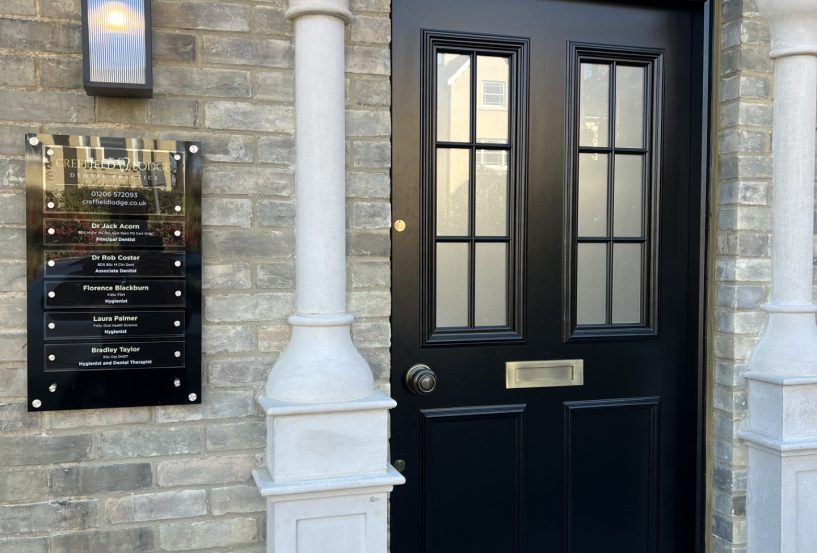
At Creffield Lodge Dental Practice, our dental hygienists in Colchester provide professional cleaning and personalised oral hygiene advice to help you maintain healthy teeth and gums.
Scaling involves removing plaque and hardened tartar from your teeth using specialist dental instruments.
This may involve ultrasonic equipment, hand instruments or a combination of techniques depending on the deposits present and your individual needs.
If you have gum disease, additional cleaning beneath the gumline may be recommended as part of your periodontal treatment.
Following scaling, your hygienist may polish your teeth where appropriate to help remove some surface staining.
At Creffield Lodge Dental Practice, we also offer Airflow polishing, which uses a controlled combination of air, water and fine powder to help remove surface stains and biofilm.
Airflow can be particularly useful for patients concerned about staining caused by tea, coffee or smoking. It is important to understand that stain removal is different from teeth whitening, which changes the natural shade of your teeth.
Your appointment will usually finish with personalised advice on how to maintain your oral health between visits.
This may include brushing techniques, cleaning between your teeth, selecting suitable oral hygiene products and discussing any areas that require additional attention.
Your hygienist can also recommend when you should return for your next appointment.
Yes, you may still benefit from seeing a dental hygienist even if you have an excellent oral hygiene routine.
Brushing twice daily with fluoride toothpaste and cleaning between your teeth helps remove plaque before it hardens. However, some areas can be difficult to reach, and plaque that remains on the teeth may eventually turn into tartar.
Once tartar has formed, it cannot be removed with a toothbrush or dental floss. Professional cleaning may therefore be necessary to remove these deposits.
Regular hygiene appointments also allow your gum health to be monitored and provide an opportunity to improve your brushing and interdental cleaning techniques.
The frequency of professional cleaning should still be based on your individual needs rather than assuming everyone requires the same appointment schedule.
Dentists and dental hygienists have different but complementary roles in looking after your oral health.
A dentist assesses your overall dental health, diagnoses dental problems and provides treatments such as fillings, crowns and root canal treatment where appropriate. Dental examinations also allow your dentist to check for signs of tooth decay, gum disease and other oral health concerns.
A dental hygienist focuses primarily on preventing and managing gum disease, removing plaque and tartar and helping patients improve their daily oral hygiene.
Although a hygienist can assess and provide care within their professional scope, a hygiene appointment does not necessarily replace a comprehensive dental examination.
Attending both types of appointment when recommended helps ensure that your teeth and gums receive appropriate ongoing care.
If it has been several years since your last hygiene appointment, you may feel embarrassed about the condition of your teeth or concerned about what your hygienist might find.
However, there is no reason to put off booking an appointment. Dental hygienists regularly see patients who have not attended for some time, and the priority is helping you improve your oral health rather than judging your previous habits.
Your hygienist can assess the condition of your gums, identify areas of plaque and tartar build up and recommend appropriate treatment.
If you have significant deposits or signs of gum disease, you may require more than one appointment or additional periodontal treatment to manage your gum health effectively.
The important thing is taking the first step towards looking after your teeth and gums.
In the UK, dental hygienists can provide certain treatments directly to patients without a referral from a dentist. This is known as direct access.
However, the arrangements can vary between dental practices, and some patients may need a dental examination or referral depending on their oral health and the treatment required.
A dental hygienist cannot provide every type of dental treatment. If they identify a concern outside their professional scope, they may recommend that you see a dentist for further assessment.
If you’re interested in arranging a dental hygiene appointment at Creffield Lodge Dental Practice, contact our team to discuss the booking process and whether an initial dental examination is required.
If you attend regular hygiene appointments, a dental membership plan can help make the cost of ongoing dental care easier to manage.
At Creffield Lodge Dental Practice, we offer Denplan Care, which allows patients to spread the cost of routine preventive and restorative private dental care through convenient monthly payments.
Depending on your personalised agreement, this can include regular dental examinations and hygiene appointments alongside many necessary restorative treatments.
Our team can explain the membership options available and help you understand whether a monthly dental payment plan is suitable for your needs.
Regular dental hygiene appointments can make a real difference to the health of your teeth and gums. Whether you’re looking to prevent gum disease, remove stubborn tartar or simply maintain a healthy mouth, professional hygiene care can support your daily brushing and cleaning routine.
At Creffield Lodge Dental Practice in Colchester, our dental hygiene team provides professional cleaning and personalised advice to help you maintain healthy teeth and gums.
We understand that every patient’s oral health is different, which is why the frequency of your appointments and any recommended treatment should reflect your individual needs.
Whether you attend regularly or haven’t seen a dental hygienist for several years, our team can help you take the next step towards improving your oral health.
Contact Creffield Lodge Dental Practice today to arrange a dental hygiene appointment in Colchester and find out how we can help you look after your teeth and gums.
For many patients, six monthly hygiene appointments may be appropriate, but this depends on their oral health. Patients with gum disease, frequent tartar build up or other risk factors may benefit from more frequent visits, while others may need professional cleaning less often. Your dentist or hygienist can recommend the most suitable interval.
Some patients benefit from appointments every three months, particularly those undergoing periodontal maintenance or who are at greater risk of gum disease. However, three monthly appointments are not necessary for everyone. Your hygienist will recommend an appropriate schedule based on your individual circumstances.
Most routine hygiene appointments are manageable, although you may experience some sensitivity or discomfort, particularly if your gums are inflamed or you have significant tartar deposits. If you’re concerned about discomfort, let your hygienist know before treatment begins so they can discuss ways to make your appointment more comfortable.
The length of a dental hygiene appointment varies depending on your oral health and the treatment required. Routine appointments commonly last around 30 to 60 minutes, although more extensive periodontal treatment may require longer or additional visits.
Professional cleaning can remove some surface stains caused by tea, coffee and smoking, which may make your teeth appear cleaner and brighter. However, scaling and polishing do not change the natural colour of your teeth.
If you want to lighten the natural shade of your teeth rather than simply remove surface stains, teeth whitening may be a more suitable option.
Professional cleaning should be carried out according to your individual clinical needs. Attending more frequently than necessary does not automatically provide additional benefits. Your dentist or hygienist can recommend an appropriate interval based on your gum health, plaque levels and risk factors.
The cost of a dental hygienist appointment varies depending on the practice, appointment length and treatment required. For information about dental hygiene fees at Creffield Lodge Dental Practice, contact our team, who can explain the available appointments and associated costs.
Back to Blog



Error: No connected account.
Please go to the Instagram Feed settings page to connect an account.